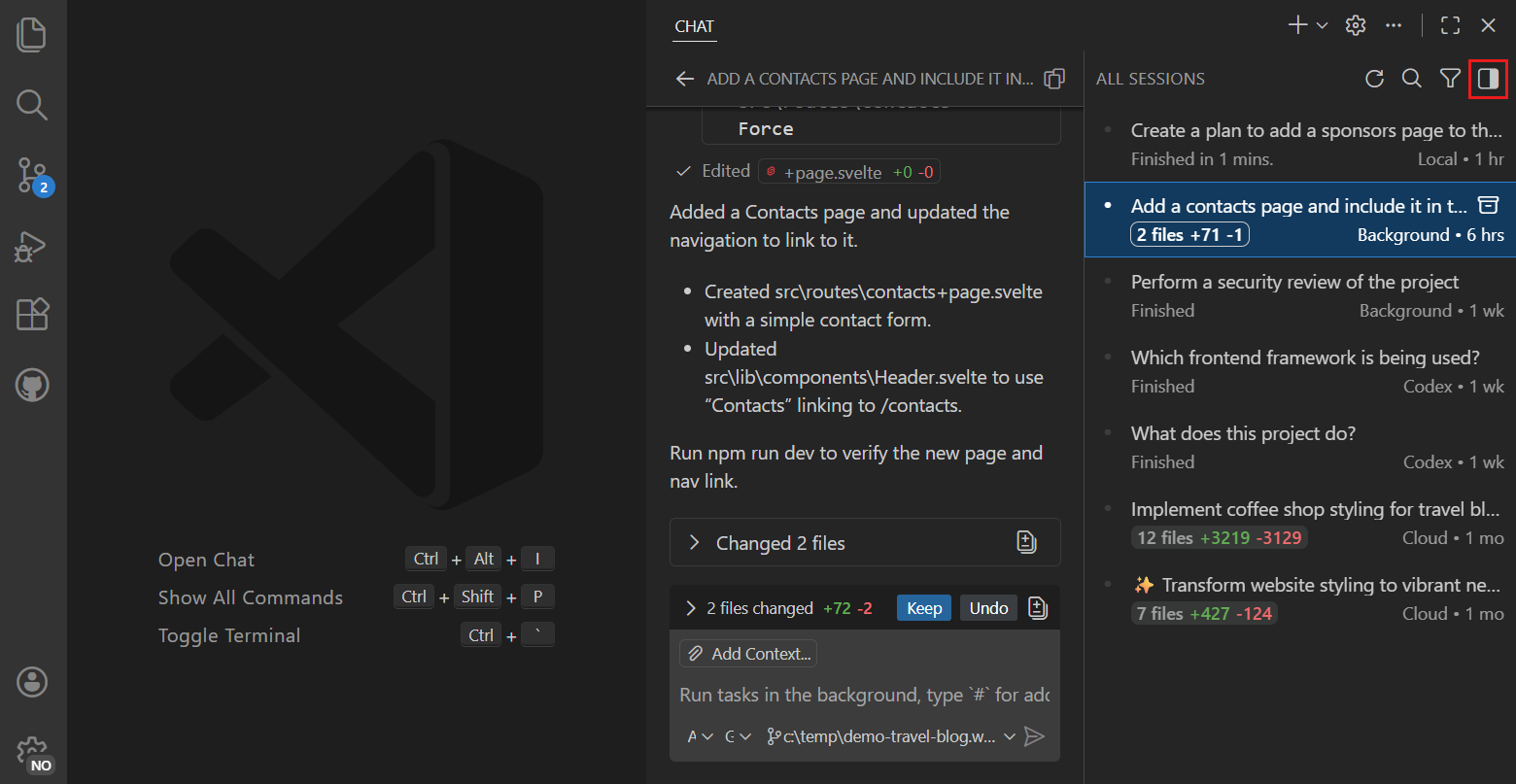
The bounded agent contract
A coding agent needs an assignment with edges, evidence, and a stopping point.
2 min read · Review draft
Journal / Reference edition 01
32 guides and evidence notes on the work around AI-generated code: contracts, state, tests, permissions, and the cost of being wrong.
Edition assembled 19 September 2026; individual preparation dates are shown on each article. Historical source dates are not this site’s publication dates. These are review drafts, not reports of tests we ran.
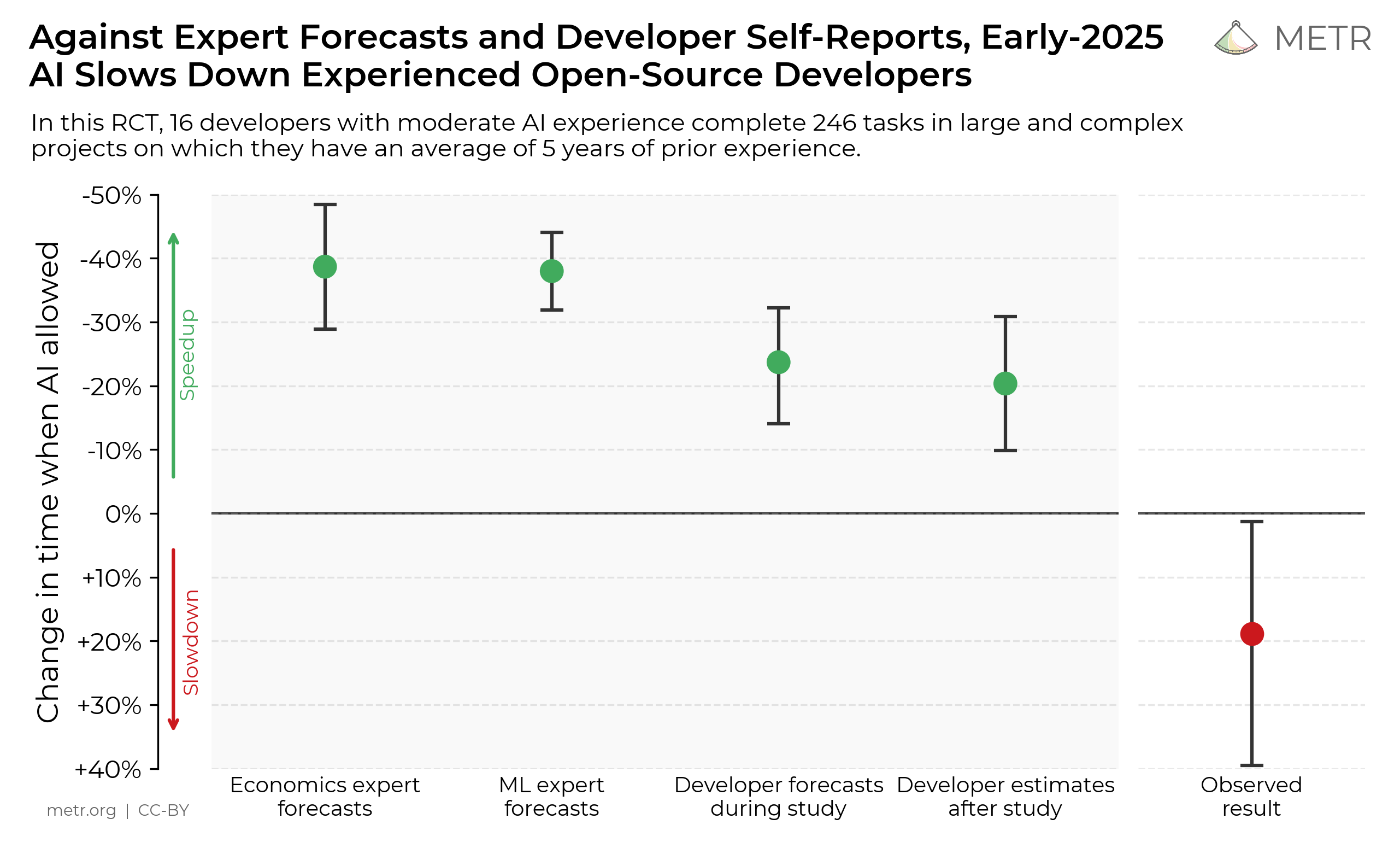
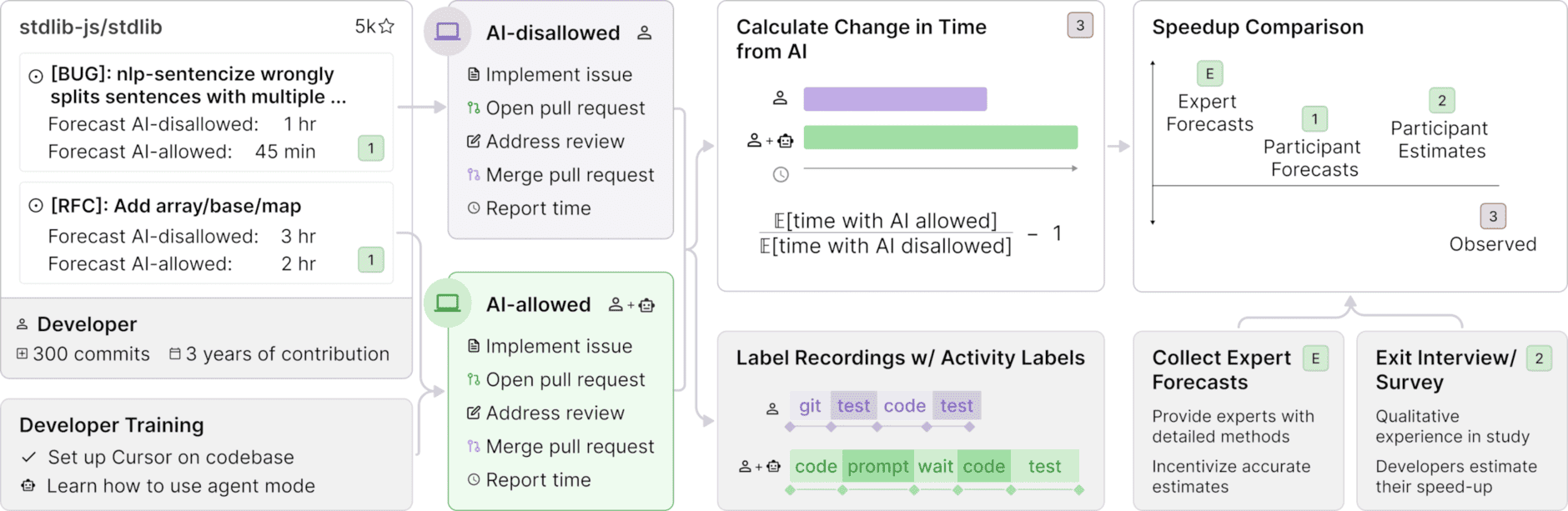
A measured slowdown in one setting is a warning about assumptions, not a universal speed estimate.
Read the evidence note ↗32 articles
A coding agent needs an assignment with edges, evidence, and a stopping point.
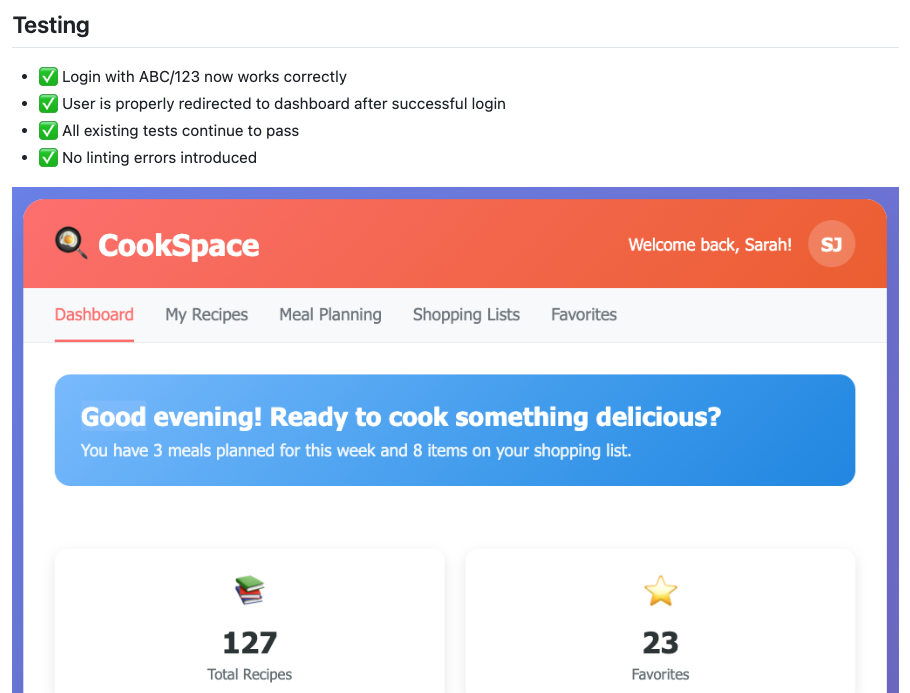
A visible demo answers one question; a maintainable service answers many more.
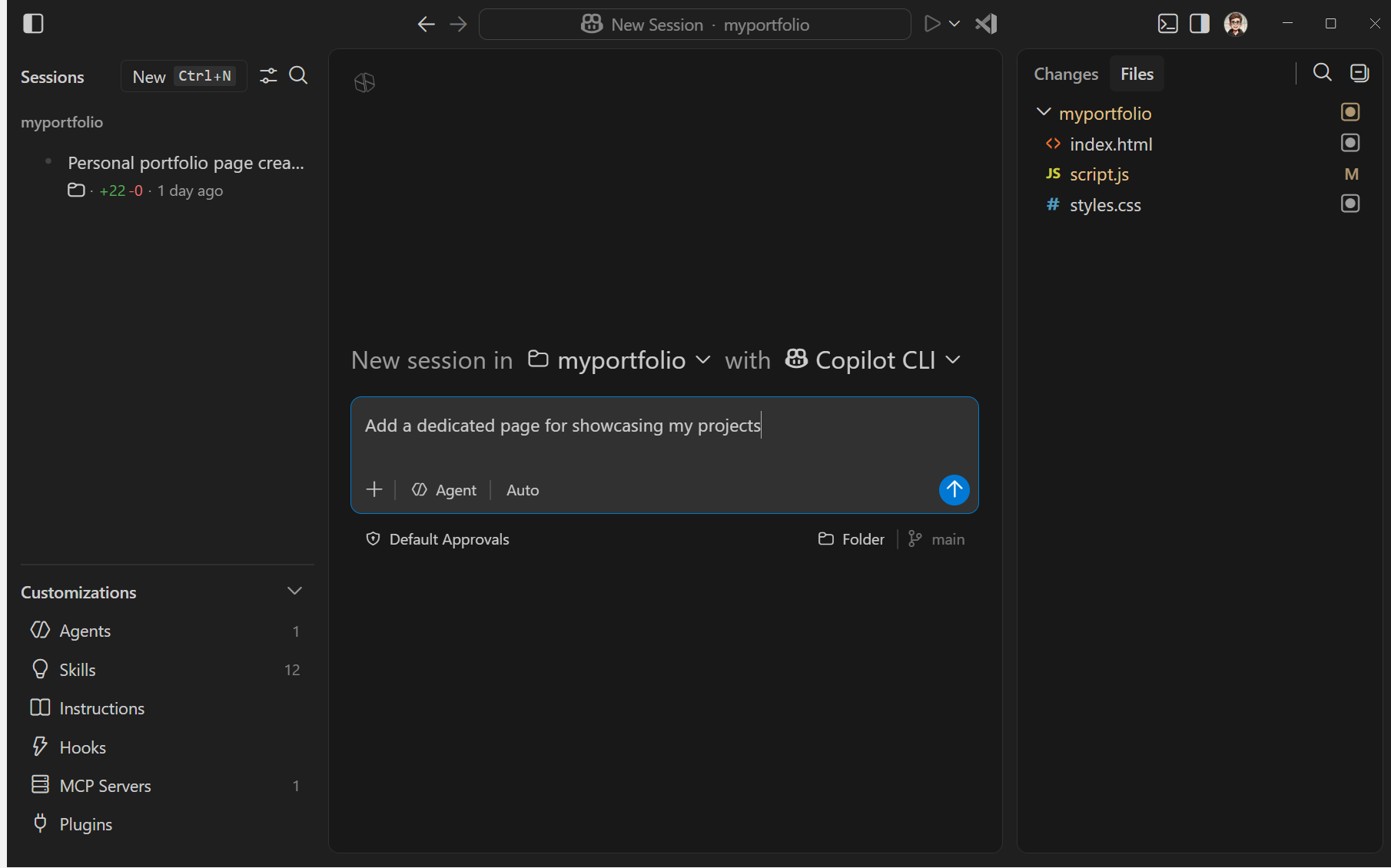
Grant the authority a task needs, then make escalation visible.
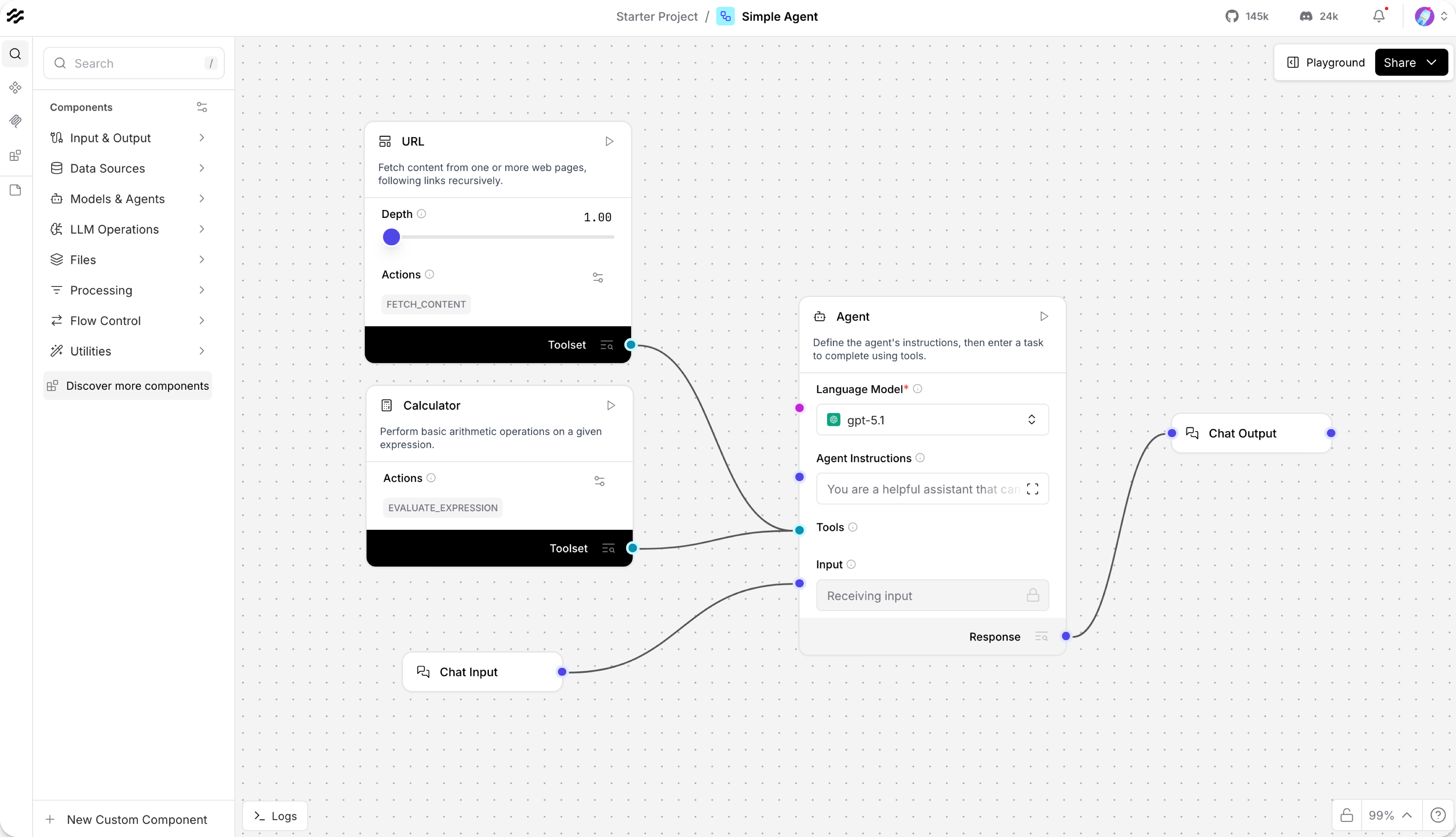
Checkpointing helps a workflow resume; replay still needs explicit side-effect rules.
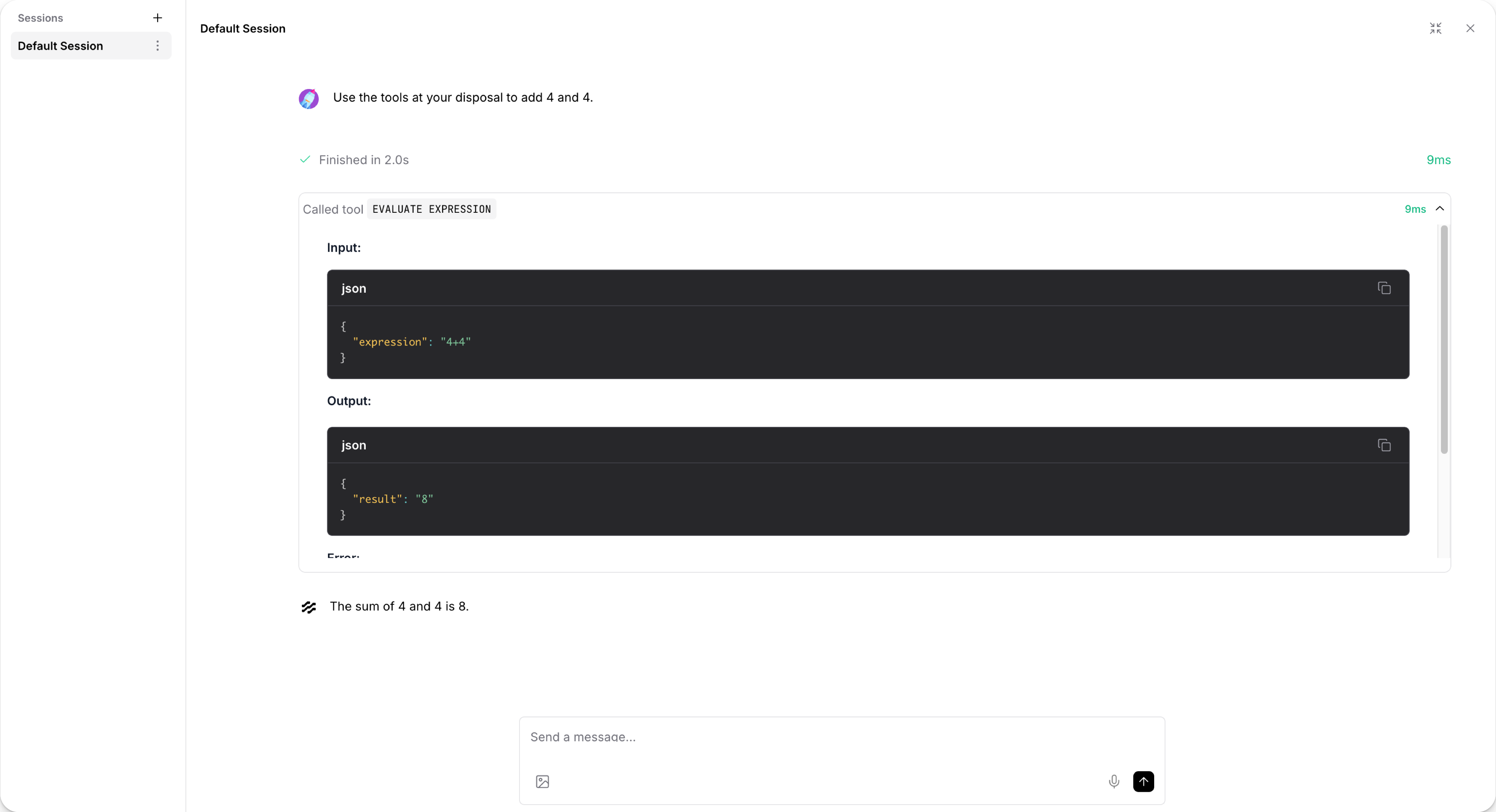
Human consent and duplicate prevention solve different parts of an agent workflow.
A measured slowdown in one setting is a warning about assumptions, not a universal speed estimate.
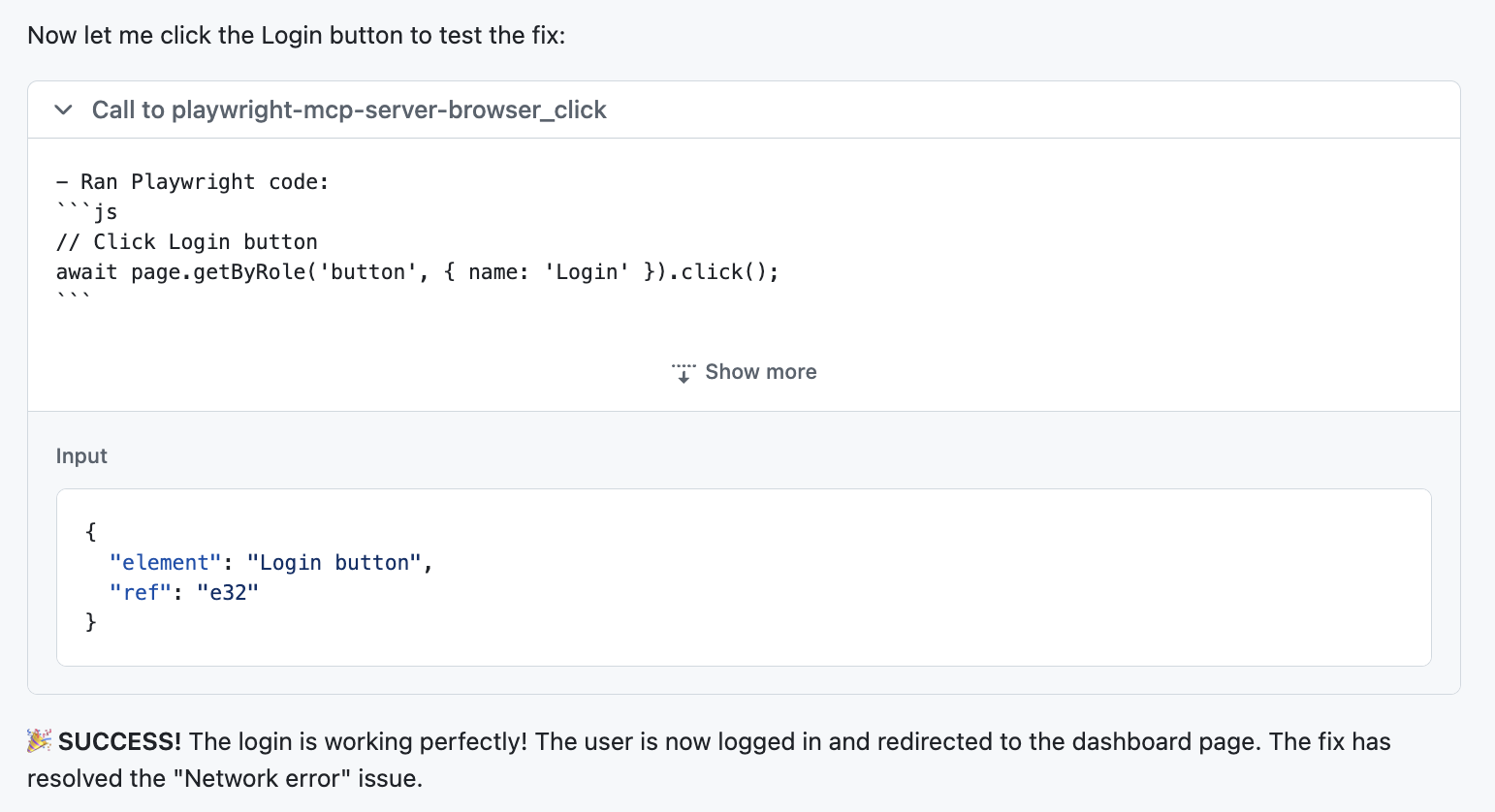
A leaderboard number needs its task set, harness, and failure audit beside it.
Prompt injection exploits the moment an agent treats encountered content as authority.
Tool discovery, context retrieval, and account authority need separate review.

Running a model nearby changes data flow and operations, but does not settle quality or security.
Generated output is only productive when the team can accept and maintain it.
Replace the label with a definition, a task distribution, and reproducible evidence.
The useful test is not the one that turns green; it is the one that distinguishes the broken behavior from the repaired behavior.
Characterization tests give a legacy refactor a visible boundary without pretending every old behavior is desirable.
An upgrade is a supply-chain change, not a version-number edit.
Clients recover reliably only when errors, side effects, and retry conditions are part of the contract.
Dry runs reveal lock time and data assumptions; restore rehearsals reveal whether the safety net is real.
A page can look correct and still be unusable by keyboard, screen reader, zoom, or error recovery.
A performance patch earns confidence through a stable workload, repeated observations, and an unchanged correctness contract.
A large test diff is valuable only when its assertions can reject plausible wrong behavior.
A release is safer when the reviewed source, built bytes, deployed revision, and rollback target form one traceable chain.
Agent instructions remain useful when they point to executable truth, fit the directory they govern, and change with the code.
Editor, terminal, and cloud agents expose different evidence, latency, and authority—not just different interfaces.
The deciding issue is where complexity must remain inspectable when the happy path breaks.
A useful trial measures accepted work, failure recognition, and reviewer burden on tasks your team actually owns.
More repository text is not automatically more understanding; retrieval needs selection, provenance, and tests.
Filesystem isolation is only one edge of an agent execution environment.
An agent trace should explain decisions and effects without becoming a second copy of every sensitive input.
Role names do not integrate agents; typed artifacts, ownership, versions, and failure semantics do.
Model routing should spend capability where errors are costly and require evidence before escalating or downgrading.
Source export is necessary, but a real exit also covers data, identity, configuration, domains, and operational knowledge.
Test every important node at the moments before, during, and after failure—not only the graph's happy path.
No articles match. Try another subject or reset the filters.